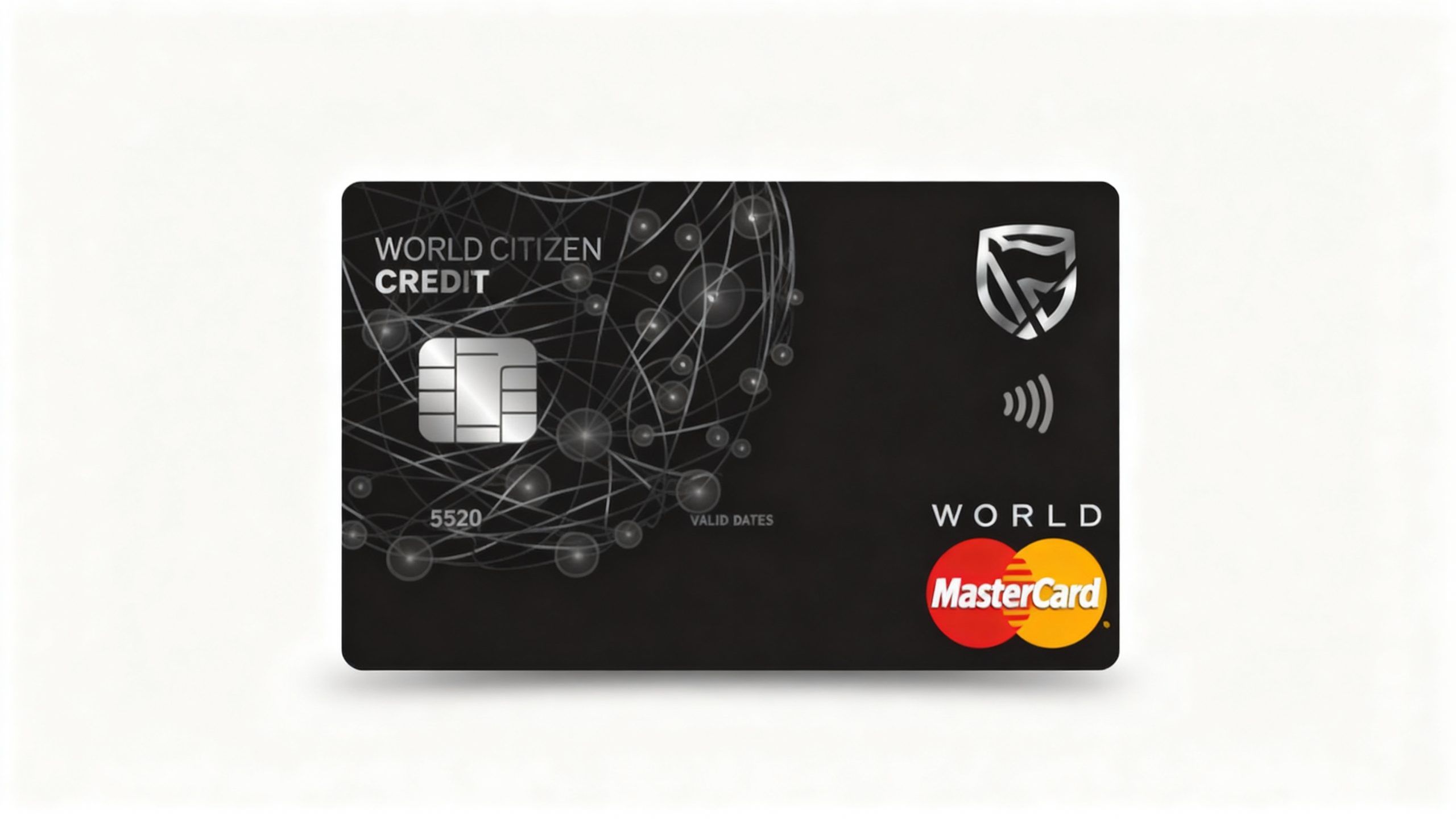

Looking for your first credit card in South Africa? The Standard Bank Blue Credit Card stands out as one of the most accessible entry points. Just R5,000 monthly income required and R40 monthly fee makes it ideal for people starting their credit journey.
Here’s the thing. Credit cards aren’t just payment tools anymore.

Recommended Articles
Below are helpful, related guides.This card bridges the gap between limited cash flow and unexpected expenses. Whether you’re a student, young professional, or rebuilding credit, the Blue Card provides a solid foundation.
We’ll cover application requirements, real costs, competitor comparisons, and practical strategies for maximizing benefits. No fluff, just actionable information.
By the end, you’ll know if the Standard Bank Blue Credit Card deserves a spot in your wallet.
What Makes the Standard Bank Blue Credit Card Different
The Blue Card strips away complexity. That’s its appeal.
Unlike premium cards with travel insurance and lifestyle perks you might never use, this focuses on essentials. Mastercard accepted globally, digital controls, and up to R250,000 credit limit. Simple.
What separates it from the Capitec credit card or FNB entry-level credit card? Established banking infrastructure, UCount Rewards programme, and reliable digital management.
Key features include:
- Up to 55 days interest-free when paying full balance monthly
- Personalised interest rates 11.75% to 22.25% based on credit profile
- 3% minimum monthly repayment with automatic payment
- Real-time card control through banking app
- Optional Credit Card Protection Plan
Costs: R190 initiation fee one-time, then R40 monthly. Compared to zero-fee options like some TymeBank banking account offerings, this seems expensive. But you’re paying for credit access and established infrastructure.
Who Should Actually Apply for This Card
Not everyone needs the Blue Card. Let’s be clear.
Perfect for: students approaching graduation building credit history, first-time cardholders without credit records, young professionals on R5,000-R15,000 monthly income, or anyone needing emergency backup.
Skip this if you’re earning R25,000+ monthly wanting premium travel benefits. Look at Gold or Titanium instead. Can’t afford R40 monthly? Explore the African Bank credit card first.
Building credit score with credit card use matters immensely. Your first card establishes history with credit bureaus. Pay consistently, your score improves. Miss payments? Score drops fast.
The Blue Card reports to all major bureaus. Used responsibly over 6-12 months, it opens doors to better products, lower loan rates, and improved insurance premiums.
Breaking Down Real Costs and Requirements
Let’s talk actual numbers.
First year: R190 initiation + R480 monthly fees (R40 × 12) = R670 minimum. Year two onward: R480 annually. Plus variable interest if carrying balances.
Credit card requirements R5000 income qualification needs:
- Valid South African ID or passport
- Latest payslip or three months’ bank statements
- Proof of residence under three months old
- Age 18+
- Clean credit record
Interest rates? Personalized based on credit profile. Excellent history might get 11.75%, first-timers often face 20%+. National maximum: 22.25%.
Here’s what people miss: effective cost changes dramatically based on usage. Pay full balance within 55 days? Effective rate is 0%. Carry R5,000 monthly at 20% interest? You’re paying roughly R83 monthly in interest.
When doing a credit card comparison South Africa, factor in base fees plus your realistic behavior. The R40 monthly is transparent, but habits determine true cost.
The 55-Day Interest-Free Explained
Statement closes on a specific date monthly. Purchases immediately after get almost two months before interest applies – if you pay full balance by due date. Buy on the 2nd when statement closes the 1st? You’ve got until roughly the 25th next month interest-free.
This makes cash flow management powerful for disciplined users. Load regular expenses on card, pay completely each cycle. Effectively an interest-free loan renewing monthly.
How to Apply: The Complete Process
The Standard Bank Blue Card application takes 10-30 minutes online. Simple.
Apply through standardbank.co.za, the mobile app (existing clients), or branch visit. The online credit card application South Africa route is fastest.
Steps:
- Visit standardbank.co.za → Credit Cards → Blue Card
- Click “Apply Now” and login or create profile
- Complete form with personal, employment, income details
- Upload documents: ID, payslips, proof of address
- Submit for credit assessment
Standard Bank credit card approval time varies. Instant approval for clear qualifications, or 2-5 days for document verification. Additional info needs? 7-10 days total.
Approved cards arrive by courier in 5-7 days. Existing clients get virtual card activation immediately through the app for online purchases.
Common rejections: insufficient income, poor credit history, incomplete FICA requirements compliance, or recent defaults. Rejected? Wait 3-6 months while improving credit before reapplying.
Making the Blue Card Work for You
Having credit is one thing. Using it strategically creates value.
UCount Rewards earns points on every purchase. Link through internet banking and track rewards. Redeem for fuel, groceries, airtime, or partners. Not spectacular rates, but free fuel every few months adds up. Compare to Woolworths credit card rewards (in-store focused) or Discovery Bank credit card (Vitality-linked).
Practical monthly strategy:
- Load predictable expenses: fuel, groceries, subscriptions
- Set personal limit at 30% of credit limit maximum
- Enable automatic full-balance payment monthly
- Use 55 days interest-free to keep cash earning interest
- Never use for cash withdrawals except emergencies
Digital banking app management tools prevent fraud. Freeze card instantly, get real-time notifications, track spending by category. Control that prevents the “where’d my money go?” problem.
Common Mistakes to Avoid
Learn from others’ errors. Don’t treat credit as extra income – it’s debt. Don’t pay only the 3% minimum monthly repayment – interest compounds forever. Don’t ignore statement dates and miss the interest-free window.
If you’re consistently carrying balances paying 20%+ interest, you’re better off without the card until finances stabilize. The R40 plus interest becomes wealth destruction, not convenience.
How It Compares to Competition
The South African entry-level market offers alternatives worth understanding.
Capitec credit card charges no monthly account fee and offers interest on positive balances. But operates more like revolving loan than traditional card. No rewards infrastructure matching Standard Bank.
Nedbank student credit card targets students with potentially lower income requirements but stricter documentation. FNB entry-level credit card ties into eBucks – great if you love that ecosystem. African Bank credit card has more lenient approval but often higher interest rates.
Compare beyond monthly fees. Factor in interest rates based on your profile, reward value you’ll realistically earn, and banking ecosystem integration. Already with Standard Bank? Blue Card integrates seamlessly.
Maximizing Benefits While Managing Risks
Credit creates opportunities and risks. Address both honestly.
Opportunities: building credit history, earning rewards on necessary spending, managing cash flow interest-free, emergency backup, consumer protection online.
Risks: debt spiral through minimum payments, damaged credit scores, hefty interest on balances, bad spending habits, losing track across multiple cards.
Safety practices: automate payments, use app notifications for every transaction, review statements monthly thoroughly, consider Credit Card Protection Plan if you’re primary earner.
Request credit limit increases after 6-12 months good payment history when income has increased or you need better utilization ratio. Don’t request if struggling with payments already.
Final Thoughts on the Blue Card Decision
The Standard Bank Blue Credit Card delivers on its promise. Nothing fancy, just solid entry-level credit.
It makes sense for moderate-income earners needing credit flexibility without complexity. R40 monthly is reasonable for established infrastructure, working digital controls, UCount rewards, and 55 days interest-free with discipline.
Does it beat every competitor? No. Capitec offers lower fees. FNB has stronger eBucks rewards. Nedbank suits students better. But Standard Bank’s ecosystem, nationwide network, and reliable platforms give Blue Card an edge for many.
Your decision hinges on honest self-assessment. Can you pay balances monthly? Need to build credit history? Will you use rewards? Comfortable with R40 monthly plus potential interest?
Disciplined and strategic? This becomes a valuable tool. Impulsive with spending or already struggling with debt? Wait. Stabilize finances first, then consider credit cards as enhancement tools, not lifelines.
The Blue Card isn’t magic. It’s a tool that works brilliantly in skilled hands and causes damage in careless ones.