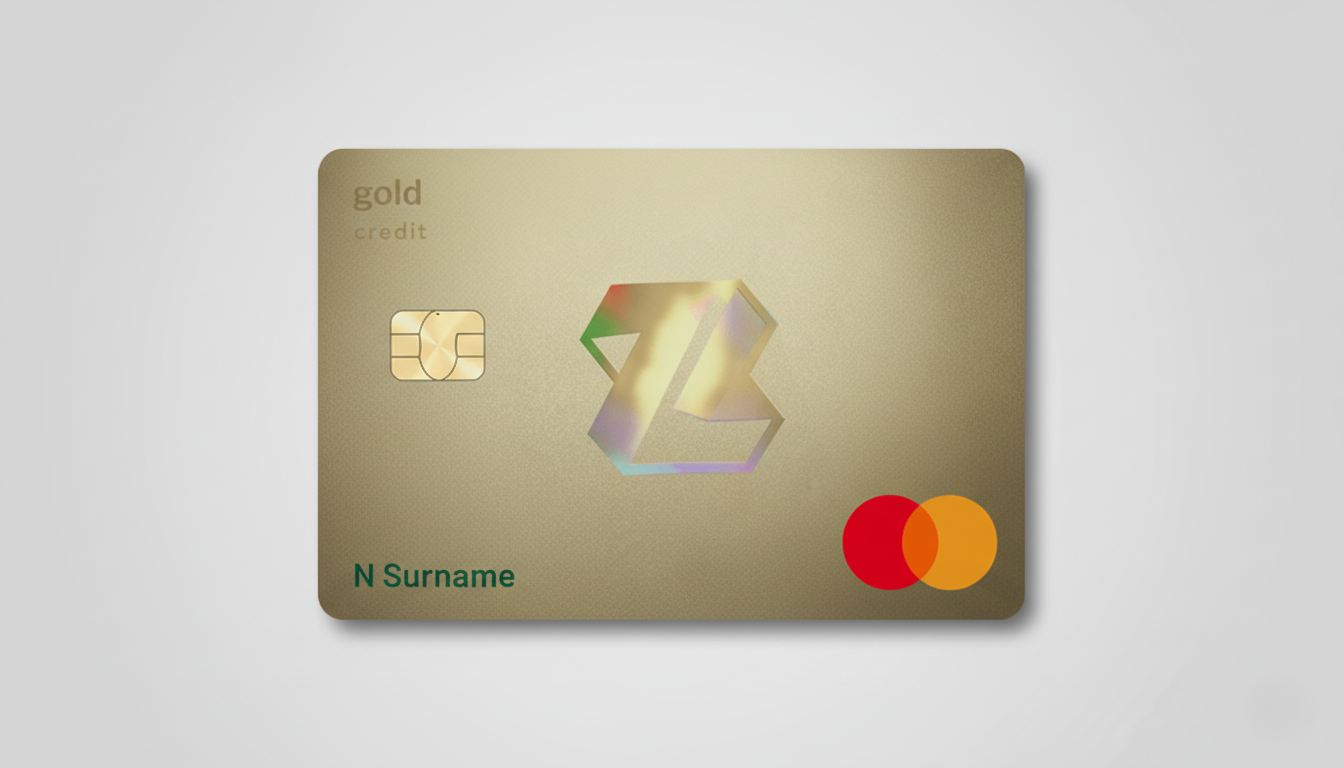
Looking for a credit card that balances affordability with genuine lifestyle benefits? The Standard Bank Gold Credit Card positions itself as an accessible option for South Africans earning R5,000 monthly or more.
With travel discounts, UCount Rewards, and a competitive interest-free period, it appeals to those wanting more than just basic credit.

Recommended Articles
Below are helpful, related guides.But here’s the thing. Not every gold-tier card delivers on its promises. Some load you with fees that outweigh the perks. Others make redemption so complex you give up halfway through.
So where does Standard Bank’s offering actually stand? This review breaks down the costs, benefits, application process, and real-world value to help you decide if it fits your financial goals.
Whether you’re comparing credit cards for the first time or upgrading from a basic option, understanding what you’re getting into matters. Let’s explore what this card brings to the table.
Related Content: Looking for premium travel benefits? Explore how the Titanium option compares
What Is the Standard Bank Gold Credit Card?
The Gold Credit Card sits in Standard Bank’s mid-tier range. It targets individuals who want enhanced rewards without the steep income requirements of platinum or titanium cards.
At its core, it functions as a revolving credit facility. You borrow up to your approved limit, make purchases, and pay back either the full balance or a minimum amount each month.
The card operates on Mastercard’s network, meaning acceptance at millions of merchants globally.
Standard Bank positions this card for those earning at least R5,000 per month. That relatively modest threshold makes it more accessible than higher-tier options requiring R25,000 or more in monthly income.
Key Specifications at a Glance
Monthly service fee of R63 applies from January 2025. You’ll also pay a one-time initiation fee of R190 when first activating the card. Credit limits reach up to R250,000, though your personal limit depends on affordability assessments and credit history.
Interest rates vary individually, ranging from prime minus 0.25% to the maximum allowed under National Credit Act regulations. With prime currently at around 11.75%, rates typically fall between approximately 11.5% and 22.25%.
The 55-day interest-free period kicks in when you pay your full balance by the due date. Miss that deadline, and interest applies to your outstanding amount from the transaction date.
UCount Rewards: How the Points System Works
UCount Rewards forms the backbone of this card’s appeal. Every time you swipe or tap, you accumulate points that convert into tangible value.
Standard Bank’s reward structure ties to spending categories and your relationship level with the bank. Basic cardholders typically earn rewards at a standard rate, while those with additional banking products may qualify for multipliers.
Curious about maximizing returns? The system rewards consistency. Regular use across different merchants helps you earn rewards faster than sporadic high-value purchases alone.
Earning Rates and Multipliers
You earn from three times more UCount Rewards Points on qualifying purchases compared to non-rewards cards. The exact multiplier depends on your banking tier and chosen spending categories.
Grocery shopping stands out as a high-earning category. Purchases at participating retailers like Game and Makro can return up to 20% back in points, depending on your tier selection under the Choose Your Own Rewards feature.
Fuel spending also generates significant returns. Fill up at participating Astron Energy or Caltex stations to get up to R10 back in points per litre of fuel and oil purchased.
Pro Insight: Understanding which categories offer the best returns before you activate your card helps you plan spending strategically
Redeeming Your Points
Points convert to various rewards through Standard Bank’s portal. Options include cash back deposits, shopping vouchers, travel bookings, and statement credits.
The redemption process happens online or through the banking app. Points don’t expire as long as your account remains active, giving you flexibility to save for larger redemptions.
One practical approach involves redeeming for statement credits. This effectively reduces your monthly payment, providing immediate financial relief rather than waiting to accumulate points for bigger rewards.
Travel Benefits That Actually Matter
Travel perks separate mid-tier cards from basic options. The Gold Credit Card includes several features worth considering if you travel regularly or plan occasional getaways.
Flight discounts through Emirates offer up to 20% off when booking through Standard Bank’s Leisure Desk. This applies to both economy and business class fares on select routes.
Booking.com integration provides up to 10% cash back when you use your card for accommodation reservations. That can add up quickly on multi-night stays or family trips.
Car Rental Discounts
Road trips become more affordable with rental discounts. You get up to 20% off Avis bookings, up to 10% through Budget International, and similar savings via Rentalcars.com.
These aren’t small numbers. On a week-long rental, savings can easily reach hundreds of rands. The discounts apply when booking through Standard Bank’s dedicated platforms.
Keep in mind that rental rates fluctuate. Comparing the card’s discounted rate against other promotions ensures you’re actually getting the best deal available.
Basic Travel Insurance Coverage
Automatic basic travel insurance activates when you purchase flight tickets using the card. Coverage includes limited protection for trip interruptions, baggage delays, and medical emergencies abroad.
It’s important to understand this isn’t comprehensive insurance. Coverage amounts and exclusions apply. For extensive international trips, supplementary insurance remains advisable.
That said, having baseline protection without extra premiums adds value. It covers scenarios where basic travel disruptions occur, providing peace of mind for shorter regional trips.
Travel Tip: Connect with customer service to clarify coverage details before relying on the insurance for major trips
Lifestyle and Shopping Perks
Beyond travel, everyday benefits shape how much value you extract from the card. Several lifestyle perks cater to common spending categories.
Access to Priceless Cities brings curated experiences and dining offers. This Mastercard program provides cardholders with exclusive access to concerts, restaurant reservations, and cultural events in major cities worldwide.
Gopals luggage discounts offer 10% off hard and softshell options. While specific to one retailer, it’s useful timing if you’re due for a luggage upgrade before your next trip.
Retail and Service Discounts
Wine-of-the-Month Club partnerships provide 15% off online purchases of wine, coffee, and specialty foods. Frequent buyers can save money meaningfully over time through recurring orders.
The Priceless Specials MEA App aggregates food and lifestyle offers. Browsing before dining out or planning activities can reveal discounts you’d otherwise miss.
Health and wellness benefits include discounts through Medical Tourism Concierge. Eligible procedures and surgeries receive up to 10% off when you pay with the card, though terms and participating providers require verification.
Digital and Educational Perks
Modern lifestyle benefits extend to digital services. Lingokids language learning offers two free months for new users, followed by 30% off subscriptions for cardholders.
UNICAF educational partnerships provide a 75% scholarship off program tuition fees when paying with the card after admission. This applies to select online degree and certificate programs.
Fiit fitness subscriptions receive 25% off the first payment. While ongoing discounts don’t continue, the initial savings help you test premium workout content before committing fully.
Fees and Costs: The Complete Breakdown
Understanding costs prevents surprises. Beyond the monthly fee, various transactions trigger additional charges that impact overall value.
The R63 monthly service fee applies regardless of whether you use the card. That’s R756 annually just for having it active. Factor this into calculations when weighing benefits against costs.
A R190 initiation fee applies once when you activate your card. Some competing offerings waive initiation fees during promotional periods, so timing your application can sometimes reduce upfront costs.
Transaction-Specific Charges
Cash withdrawals cost R2.40 per R100 withdrawn at Standard Bank ATMs. Other banks’ ATMs may charge additional fees on top of this base rate.
Branch cash withdrawals hit harder, costing R80 plus R3 per R100. Using ATMs clearly makes more financial sense when you need cash.
International transactions incur a 2.75% conversion fee. On a R10,000 overseas purchase, you’re paying an extra R275 just for the currency conversion. Budgeting for this prevents bill shock after foreign trips.
Fuel purchases carry a R6.50 transaction fee. While you earn rewards on fuel, this fee partially offsets the benefit, making it important to calculate net value on your actual spending patterns.
Interest Calculations
Interest rates personalize based on credit risk profiles. Lower-risk borrowers secure rates closer to prime, while higher-risk profiles face steeper charges approaching the maximum allowed.
Minimum payments equal 3% of your outstanding balance. Paying only the minimum extends repayment periods significantly and multiplies total interest paid over time.
Let’s put numbers to this. A R10,000 balance at 18% annual interest, paying only 3% minimum monthly, takes over four years to clear and costs roughly R4,500 in total interest. Paying more than the minimum whenever possible saves substantially.
Financial Reality Check: The interest-free period only benefits you if you consistently pay the full balance before the due date each month
How to Apply for the Standard Bank Gold Credit Card
Getting approved starts with meeting basic eligibility criteria. Then it’s about submitting a clean application with all required documentation.
You must be at least 18 years old. Income requirements sit at R5,000 gross monthly, making this achievable for many employed South Africans.
Credit history matters significantly. Standard Bank reviews your credit report, payment patterns, and existing debt levels. A clean record improves approval odds, while recent defaults or judgments reduce them.
Required Documentation
Prepare your South African ID document or valid passport. The bank verifies identity through Financial Intelligence Centre Act (FICA) compliance processes.
Recent payslips demonstrate income. If self-employed, three months of bank statements showing consistent deposits work as alternatives. Some applicants may need to provide additional proof depending on employment type.
Proof of residence dated within the last three months confirms your address. Utility bills, municipal accounts, or bank statements with your address suffice for this requirement.
Application Methods
Existing Standard Bank customers can apply online through Internet Banking. Sign in, navigate to the Borrow section, and follow prompts to check eligibility and submit your application.
The Standard Bank App offers similar functionality. Tap More, select Open a new account, choose Personal Lending, then apply online for a credit card. The process typically takes minutes if you have all information ready.
Cellphone Banking via *120*2345# provides an alternative for those preferring USSD channels. Have at least R2 airtime, dial the code, select option 3, and follow the steps to apply. Approval notifications arrive by SMS.
Non-customers need to visit a branch or call the application line to start the process. Bring all required documents to expedite assessment.
Application Shortcut: Check if you qualify for an instant quote by dialing *120*2345# before gathering documentation
What Happens After You Apply
Standard Bank conducts a credit assessment reviewing affordability, credit behavior, and existing commitments. This process can take anywhere from minutes to a few days depending on complexity.
Approval results arrive via SMS or email. If approved, your card ships to your specified address or becomes available for collection at a selected branch.
Upon receiving the card, activation happens through the app, online banking, or by calling the dedicated card activation line. Only after activation can you begin using the card and accessing benefits.
Tips to Increase Your Approval Chances
Preparation improves outcomes. Taking specific steps before applying can shift the balance in your favor.
Start by checking your credit report through services like TransUnion, Experian, or XDS. Identifying and correcting errors beforehand prevents unnecessary declines based on inaccurate information.
Paying down existing debt lowers your debt-to-income ratio. Lenders view lower ratios more favorably, signaling better capacity to manage additional credit responsibly.
Timing Your Application
Applying shortly after payday shows consistent income. Banks often review recent transactions, so demonstrating regular deposits strengthens your profile.
Avoid applying for multiple credit products simultaneously. Each application triggers a credit inquiry, and numerous inquiries in short periods raise red flags about financial stress.
If you’ve recently been declined elsewhere, wait at least three months before reapplying. This gap allows you to address issues that led to the previous rejection.
Improving Your Credit Profile
Consistent payment histories matter most. Ensure all existing accounts reflect on-time payments for at least six months before applying for new credit.
Closing unused credit accounts sometimes helps, though this isn’t universal. If you have multiple dormant store cards or credit facilities, consolidating demonstrates financial discipline.
Maintaining stable employment history reassures lenders. Frequent job changes, especially recent ones, can trigger additional scrutiny during affordability assessments.
Managing Your Card Effectively
Approval is just the start. How you manage the card determines whether it becomes a financial asset or liability.
Setting up automatic payments for at least the minimum amount prevents missed payments. Late payments attract R170 penalty fees and damage credit scores.
Tracking spending through the banking app helps you stay within budget. Real-time notifications after each transaction provide immediate awareness of your balance and available credit.
Maximizing the Interest-Free Period
The 55-day grace period only applies when you pay the full outstanding balance by the due date. Carrying any balance forward immediately triggers interest charges.
To leverage this effectively, time large purchases for right after your statement date. This maximizes the gap between purchase and payment due date, giving you nearly two months of free credit.
Keep track of your statement date and payment due date. These don’t change month-to-month, so adding reminders to your calendar prevents accidental oversights.
When to Increase Your Credit Limit
Credit limit increases become available after demonstrating responsible usage for several months. Standard Bank’s app shows eligibility and allows you to request increases directly.
Higher limits improve credit utilization ratios, which positively impacts credit scores. However, increased limits also present temptation to overspend, so self-discipline remains crucial.
Consider increasing your limit if you need flexibility for upcoming large expenses rather than as routine practice. Larger limits make sense when tied to specific financial goals, not just for the sake of having more available credit.
Management Insight: Learn how to redeem benefits early in your card ownership to establish habits that maximize returns
Common Mistakes to Avoid
Even experienced cardholders fall into predictable traps. Awareness helps you sidestep costly errors.
Paying only minimum amounts creates a debt spiral. While convenient short-term, it multiplies your total repayment through accumulating interest over extended periods.
Ignoring fee structures leads to surprise charges. Review your monthly statement to spot fees that may indicate usage patterns worth adjusting.
Misusing Cash Advances
Cash withdrawals cost significantly more than purchases. The R2.40 per R100 fee plus immediate interest accrual (no grace period) makes cash advances one of the most expensive card features.
If you need cash regularly, accessing it through your bank account rather than the credit card saves money. Credit cards work best for purchases that offer rewards and interest-free periods.
Neglecting Security Features
The app allows you to activate or disable specific card functions. Keeping ATM functionality disabled when you don’t need it reduces fraud risk.
Enabling transaction notifications alerts you instantly to unauthorized charges. The faster you catch fraud, the quicker Standard Bank can block the card and investigate.
Saving card details on unsecured websites increases vulnerability. Use 3D Secure verification for online purchases, adding an extra authentication layer beyond just card number and CVV.