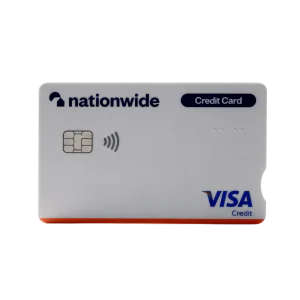
Many people across the UK are carrying balances on multiple cards and watching interest nibble away at their paycheques every month.
A balance transfer can be that “smarter way”—not magic, not a loophole, just a practical move that can save real money and give you breathing room. This guide cuts through the jargon.

More About Credit Cards
Below, we’ll share articles related to this topic. So, read on:We’ll explain what balance transfer credit cards are (in plain English), how to compare offers without getting lost in fine print, what fees actually mean, how the process works step by step, and the mistakes people most often make (so you can skip them).
By the end, you’ll know exactly what to look for and how to build a plan that fits your life, not the other way around.
Balance Transfers, Demystified
A balance transfer moves existing credit card debt to a new card that offers a promotional interest rate—often 0%—for a fixed period.
For that window, more of each payment hits the actual debt rather than being swallowed by interest. It’s not a trick; it’s a tool.
Here’s the everyday version of how it works:
- You apply for a balance transfer card and, if accepted, get a credit limit and a 0% period for transfers (for example, anywhere from several months to well over a year).
- You ask the new provider to pay off your old card(s). Your debt moves over, usually with a one-off transfer fee.
- You then focus on paying down the balance on the new card, ideally clearing it before the 0% period ends.
Why people do it: to consolidate multiple cards into one monthly payment, simplify their budget, cut interest costs, and (sometimes) nudge their credit utilisation in a better direction.
Quick reality check: 0% doesn’t mean “set and forget.” You still need to pay at least the minimum on time every month. Miss a payment and that nice promotional rate can vanish.
How to Choose a Card Without Overthinking It
When you’re comparing cards, a handful of details do 90% of the heavy lifting. Focus on these:
- Length of the 0% period (on balance transfers)
Longer gives you more runway to clear the debt without interest. If you’re spreading repayments over many months, this matters a lot. - Balance transfer fee
Typically a small percentage of what you move. A lower fee can be a bigger win if you’ll repay quickly. If you need more time, a slightly higher fee for a longer 0% period can be worth it. - Credit limit
You can’t transfer more than your available limit. If you’re consolidating several cards, make sure the limit is workable—or prioritise the highest-interest balances first. - Rates after the promo
What happens when the 0% ends? Look at the balance transfer rate and the purchase APR. If you plan to spend on the card (not always wise), check if it has a separate 0% purchase offer and how it interacts with transfers. - Eligibility
Most providers offer soft-search tools so you can check your chances without hurting your credit score. Use them—guessing is costly.
A simple rule:
- If you can repay aggressively: aim for lower/no fee and a decent (not necessarily longest) 0% period.
- If cash flow is tight: go for the longest 0% you can reasonably get, even if the fee is a touch higher.
The Fee Everyone Forgets (But You Shouldn’t)
The balance transfer fee is easy to overlook because “0%” is so shiny. Don’t fall for it. On a large balance, even a small percentage matters.
- Typical range: roughly 0–3% of the amount you transfer.
- How it’s charged: usually added to your balance up front.
- Promotions: sometimes you’ll see no-fee offers, often paired with shorter 0% periods.
Illustration: Transfer £3,500 with a 2% fee and you add £70 to the balance. If the 0% window gives you time to clear the debt, you can still be far ahead versus paying high interest on the old card—but you want that fee in your math.
Bottom line: When comparing two cards, consider total cost to debt-free: (transfer fee) + (any interest if you won’t finish in time). Then pick the one that gets you to zero with the least friction.
Step-by-Step: From “Apply” to “Paid Off”
Think of the process as a mini project with a start date and a finish line.
- Pre-check your chances
Use a provider’s eligibility checker (soft search). No score impact, and it avoids multiple failed applications. - Apply
Fill in income, employment, and debt details. If approved, you’ll see your credit limit and promotional terms. - Request the transfer(s)
Through online banking or over the phone. Have your old card details and amounts ready. You don’t have to move everything at once, but remember fees may apply each time. - Keep paying your old card
Until you see the balance actually disappear. Transfers often complete within 5–10 working days, but timing can vary. - Set up a direct debit (right now)
At least the minimum, ideally a fixed payment that clears the balance before the promo ends. Automate it and you remove the risk of a missed payment derailing the plan. - Mark your end date
Put it in your calendar with an alert 60 and 30 days before. If you’ll still have a balance near the end, rethink your budget—or consider a follow-on card (sparingly; too many applications can dent your score). - Decide on old accounts
Keeping an old, £0-balance card can help your utilisation and account age, but if it has an annual fee or tempts you to spend, closing it may be healthier.
Credit Score: What Changes, What Doesn’t
A balance transfer can nudge your score in both directions:
- Short-term dip: a hard search from the application and a new account can tug your score down a bit initially.
- Medium-term help: lower credit utilisation (especially if you keep old accounts open at £0) and on-time payments can improve it.
To protect your score:
- Use soft searches first.
- Avoid multiple applications in quick succession.
- Keep minimum payments up to date on all cards while the transfer completes.
- Don’t open other new credit lines right after.
- Check your credit report and dispute errors if anything looks off.
The Avoidable Mistakes (and How to Dodge Them)
These trip people up again and again. You won’t be one of them:
- Missing a payment during the 0% period
Fix: Direct debit on day one. Even a small minimum keeps your promo intact. - Using the transfer card for new spending
Fix: Treat it like a “debt-payoff tool,” not a spending card—unless there’s a clearly separate 0% purchase offer and you understand how payments are allocated. - Forgetting the transfer window
Some offers require you to transfer within a set timeframe after account opening.
Fix: Initiate transfers promptly. - Underestimating how long you’ll need
Fix: Divide your balance by the number of promo months to set a realistic monthly payment. If that number feels high, a longer 0% period may be better. - Closing old cards too quickly
Fix: Weigh the pros and cons. If no fees and you can resist spending, leaving them open can help your utilisation and the average age of accounts. - Transferring beyond your limit
Fix: Prioritise the highest-interest balances first, then work down.
A Simple Repayment Blueprint
Here’s a quick way to build a payoff plan you can actually stick to:
- List your balances (by card), the interest rates, and the minimums.
- Choose the transfer target (ideally the highest rates first).
- Pick a card with a 0% period that matches your realistic timeline.
- Calculate the payment:
- (Total transferred + fee) ÷ (months in 0% period) = monthly amount to be debt-free on time.
- Automate the payment and track progress monthly.
- Adjust if you get a pay rise or lower bills—add a little extra to bring the end date forward.
Watching the balance shrink each month is motivating. Put that progress somewhere visible: a notes app, a spreadsheet, a sticky note on the fridge—whatever keeps you focused.
Final Word: Make 0% Work for You
A balance transfer won’t fix everything overnight, but it can turn a messy, interest-heavy situation into a clear, achievable plan. Pick the structure that matches your reality (time vs. fee), automate payments, and guard that promotional rate like a hawk. Do that, and you’ll give yourself what high interest never does: a finish line.