
The remote job application process differs substantially from traditional employment searches, requiring strategic approaches tailored to distributed work environments and digital hiring systems.
Current data indicates that remote positions attract 300% more applicants than comparable office-based roles, intensifying competition and elevating importance of application optimization.
Understanding applicant tracking systems, tailoring application materials for remote-specific requirements, and demonstrating self-management capabilities represent critical success factors when pursuing work-from-home opportunities.
Identifying Legitimate Remote Job Opportunities
Remote job searches begin with identifying authentic opportunities through reputable sources while avoiding prevalent scams targeting work-from-home seekers. Several established platforms specialize in curating legitimate remote positions, providing safer alternatives to general classified advertisement sites.
Specialized Remote Job Boards
FlexJobs operates as a subscription-based service screening all posted positions to eliminate scams and questionable opportunities. The platform categorizes remote jobs by industry, experience level, and schedule flexibility, charging $14.95 monthly or offering discounted annual subscriptions. Positions span entry-level through executive roles across numerous fields.
We Work Remotely functions as a free job board featuring technology, marketing, customer support, and design positions from established companies. The platform attracts over 4.5 million monthly visitors and maintains quality standards requiring employer verification before posting opportunities.
Remote.co provides curated remote job listings alongside resources for remote workers including company profiles, salary data, and remote work advice. The platform emphasizes flexible and fully remote positions rather than hybrid arrangements.
Company Career Pages
Directly researching companies known for remote work policies yields opportunities before widespread advertisement on job boards. Organizations like Automattic, GitLab, Buffer, and Basecamp maintain dedicated remote hiring programs with application instructions on corporate websites.
LinkedIn serves dual purposes as networking platform and job search tool, with advanced search filters enabling identification of remote positions by industry, experience level, and location preferences. Following companies of interest provides notifications about new openings and insights into company culture through employee posts.
Resume Optimization for Remote Positions
Remote job applications require resumes highlighting specific competencies and experiences relevant to distributed work environments. Traditional resume formats emphasizing physical office presence need adaptation to emphasize remote-compatible skills and accomplishments.
Key Elements to Emphasize
Remote work experience, when present, should appear prominently in job descriptions with explicit mentions of distributed team collaboration, virtual project management, or cross-timezone coordination. Quantifying remote work duration and team sizes provides concrete evidence of distributed work capability.
Self-management abilities manifest through examples of independently driven projects, deadline adherence without supervision, and initiative taking beyond assigned responsibilities. Describing situations requiring autonomous problem-solving demonstrates reliability in environments lacking immediate management oversight.
Technical proficiencies with remote collaboration tools including Slack, Zoom, Asana, Trello, and project management platforms should appear in skills sections. Familiarity with these tools reduces onboarding time and signals readiness for distributed work dynamics.
Communication skills warrant specific emphasis through examples of written documentation, presentation delivery to remote audiences, or cross-functional collaboration across digital channels. Remote work amplifies communication importance as verbal exchanges give way to written correspondence and video conferences.
Formatting Considerations
Applicant tracking systems scan resumes for keywords matching job descriptions, making keyword optimization essential for advancing beyond automated screening stages. Carefully reviewing job postings and incorporating exact terminology from requirements sections increases matching scores within ATS algorithms.
PDF format submissions preserve formatting across different operating systems and devices, preventing layout disruptions that occur with Word documents when opened on incompatible software versions. Employers increasingly prefer PDFs for consistency and professional appearance.
Contact information should include email addresses, phone numbers, and LinkedIn profile URLs, with optional additions of personal websites or portfolio links for creative or technical positions. Physical addresses have become optional for remote positions, though city and state location may be relevant for tax or geographic preference considerations.
Cover Letter Strategy for Remote Applications
Cover letters addressing remote-specific qualifications and demonstrating genuine interest in particular positions significantly improve application strength. Generic templates fail to differentiate candidates in competitive remote job markets, while customized letters highlighting relevant experience capture recruiter attention.
Structure and Content Approach
Opening paragraphs should immediately reference the specific position and company, demonstrating research into organizational values and recent developments. Mentioning particular projects, company blog posts, or product features shows genuine interest beyond generic application submission.
Body paragraphs need to address stated job requirements systematically, providing specific examples of relevant experience and achievements. Rather than repeating resume content, cover letters should expand on accomplishments with context and results quantification demonstrating value potential.
Remote work capabilities require explicit discussion through examples of successful distributed collaboration, time management across projects, and comfort with asynchronous communication patterns. Addressing home office setup, reliable internet connectivity, and dedicated workspace availability preemptively resolves common employer concerns.
Closing paragraphs should express enthusiasm for the opportunity while providing clear next step calls-to-action, such as availability for interviews or willingness to complete skills assessments. Professional closings with full names and contact information maintain formality appropriate for business correspondence.
Application Timing and Follow-Up Protocols
Strategic application timing influences visibility within applicant pools and response likelihood from hiring managers. Early applications submitted within 48 hours of job posting receive disproportionate attention as recruiters screen initial candidate pools before remaining applications accumulate.
Follow-Up Communication
Professional follow-up emails sent 7-10 days after application submission demonstrate continued interest without appearing overly aggressive or impatient. Messages should briefly reiterate qualifications and express enthusiasm for learning more about the position, avoiding lengthy repetition of application materials.
Connection requests to hiring managers or recruiters on LinkedIn accompanied by brief personalized messages can increase visibility, though this approach requires discretion to avoid appearing presumptuous. When attempting direct outreach, messages should be concise, professional, and respectful of recipient time.
Video Interview Preparation
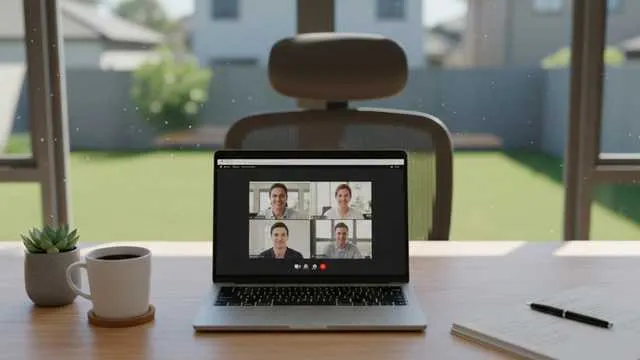
Remote position interviews predominantly occur through video conferencing platforms, requiring technical preparation and environmental control beyond traditional interview skills. Technical difficulties or unprofessional backgrounds create negative impressions despite candidate qualifications.
Technical Setup and Testing
Camera positioning at eye level creates natural conversation feel compared to upward-angled laptop cameras creating unflattering perspectives. External webcams or laptop stands achieve optimal positioning, with lighting sources placed in front of subjects preventing dark, shadowy video feeds.
Audio quality deserves equal attention to video, with headsets or external microphones providing clearer sound than built-in computer microphones. Testing audio levels before interviews prevents volume issues requiring mid-interview adjustments.
Internet stability requires testing through bandwidth checking tools ensuring sufficient upload speeds for video transmission. Closing unnecessary applications, browser tabs, and other devices using network bandwidth maximizes available connection capacity during critical interview periods.
Environmental Considerations
Backgrounds should appear professional and uncluttered, with neutral walls or subtle bookcases providing appropriate contexts. Virtual backgrounds risk technical glitches with some conferencing platforms, making physical environment control preferable when possible.
Noise elimination requires identifying quiet spaces free from household member interruptions, pet sounds, or external noise sources. Informing household members about interview schedules prevents unexpected background disruptions during critical conversation moments.
Backup plans for technical failures demonstrate preparedness and problem-solving abilities. Having phone numbers for dial-in options, alternative devices as backups, and contingency communication methods shows professionalism when inevitable technical issues arise.
Skills Assessment and Take-Home Assignments
Many remote employers incorporate practical skills assessments or take-home projects into hiring processes, evaluating technical capabilities and work quality beyond interview impressions. These assignments require substantial time investments but provide opportunities to demonstrate abilities directly relevant to position requirements.
Thoroughly reading assignment instructions and requirements prevents missing critical elements evaluating attention to detail. Creating checklists from instructions ensures comprehensive completion addressing all stated criteria.
FAQs
How long should I wait before following up on a remote job application?
Professional follow-up typically occurs 7-10 business days after application submission, allowing sufficient time for initial screening while maintaining interest demonstration.
Should I apply for remote jobs in different time zones?
Time zone compatibility depends on position requirements and personal schedule preferences. Customer-facing roles often require alignment with specific regional business hours, while independent contributor positions may offer greater flexibility.
How many remote jobs should I apply to simultaneously?
Quality applications tailored to specific positions outperform volume-based approaches with generic materials. Maintaining 5-10 active applications simultaneously allows adequate customization time while keeping pipeline full.
What red flags indicate remote job scams?
Warning signs include requests for payment, immediate hiring without interviews, vague job descriptions, unprofessional communication, pressure tactics, requests for personal financial information early in processes, and promises of unrealistic compensation for minimal qualifications.
Can I negotiate salary for entry-level remote positions?
Negotiation opportunities exist for most positions including entry-level roles, though leverage increases with experience and specialized skills.
Negotiating Remote Work Arrangements
Compensation negotiation for remote positions follows similar principles to traditional employment but may involve additional considerations regarding geographic pay adjustments, equipment provisions, and schedule flexibility.
Total compensation considerations extend beyond base salary to include health insurance quality, retirement contribution matching, equity grants, and professional development allowances. Some remote companies offer home office stipends or internet reimbursements addressing work-from-home expenses.